
The Culture of Rock Climbing: From Extreme Sport to Popular Lifestyle
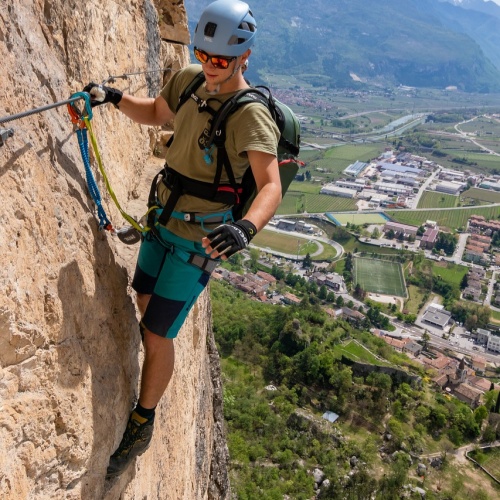
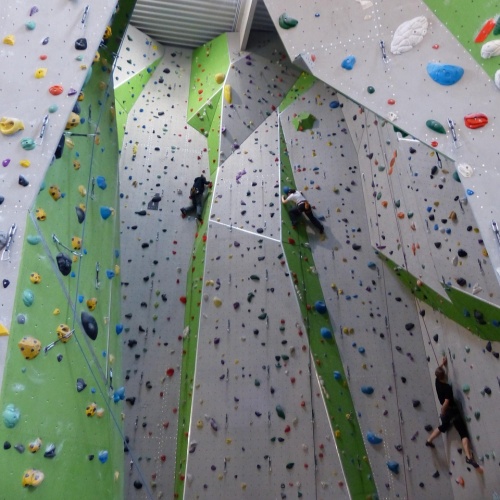

In the past, rock climbing was regarded as a dangerous extreme sport only for professional athletes and brave outdoor explorers. But today, it has gradually become a popular modern culture and a healthy lifestyle for young people. More and more city teenagers and office workers choose climbing as their daily sport. It is no longer just a sport of strength and skills, but a special culture full of positive spirits, strict rules and warm community values.
Climbing culture has three core spirits: self-challenge, persistence and modesty. Unlike competitive sports that only focus on winning or losing, climbing is a sport that competes with oneself. Every new route is a new challenge. Climbers often fail many times before finally standing on the top. Instead of giving up, they adjust their posture, improve their skills and try again. This teaches people to face failure bravely and keep a persistent attitude in daily life.
Respect for nature is also an important part of climbing culture. A basic rule for all climbers is “Leave No Trace”. Whether climbing outdoors or indoors, climbers must protect the environment. Outdoor climbers will never break rocks, pull out plants or leave rubbish on the mountain. They respect every natural rock and keep the original beauty of nature. This environmental awareness has become a traditional virtue in the climbing community all over the world.
Safety and humility are basic manners in climbing culture. Climbing is never a lonely sport. In outdoor climbing, teammates protect and encourage each other. Experienced climbers are always willing to share skills, correct wrong postures and guide beginners patiently. No one laughs at new climbers for falling or making mistakes. The whole climbing community advocates modesty and continuous learning. Even top players keep learning and improving every day.
In modern cities, climbing halls have become new popular social spaces. Many young people go climbing after work or on weekends. They put down their phones, stay away from online entertainment and enjoy the simple happiness of sports. Unlike stressful and competitive social activities, climbing culture is inclusive and friendly. People of different ages and levels can communicate and make friends in the gym. It helps young people release pressure from study and work.
With the development of sports events, climbing culture has spread rapidly around the world. After climbing became an official Olympic sport in the 2020 Tokyo Olympics and continued to appear in the 2024 Paris Olympics, more teenagers fell in love with this sport. International climbing competitions connect climbers from different countries. They exchange skills, share climbing stories and spread positive sports spirits across cultural borders.
Another special part of climbing culture is inheritance and progress. Early climbers explored unknown wild rock routes and set safe rules for later generations. Today, young climbers inherit their spirit and keep breaking difficulty records. Old players teach new learners practical experience, forming a warm climbing tradition from generation to generation. At the same time, the update of climbing equipment and scientific training methods also makes climbing culture safer and more professional.
Many people wonder why climbing culture is so attractive. The answer is simple: climbing brings real growth. On the wall, every small progress comes from continuous practice and brave attempts. Climbers learn to control their bodies, calm their minds and face difficulties bravely. These good qualities can influence people’s study, work and daily life.