
Rope Knowledge: types of climbing ropes and daily protection rules
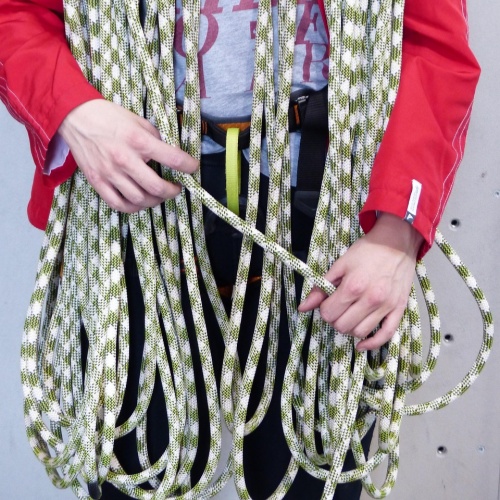
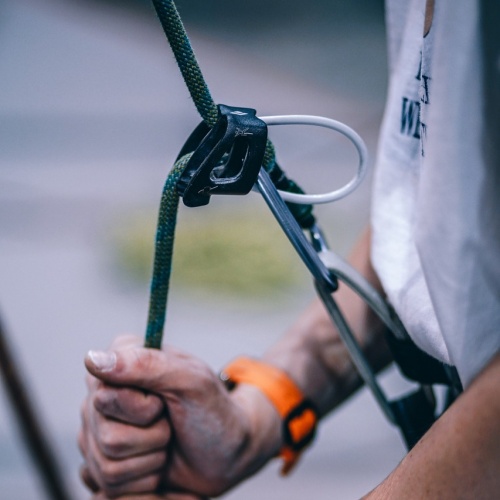
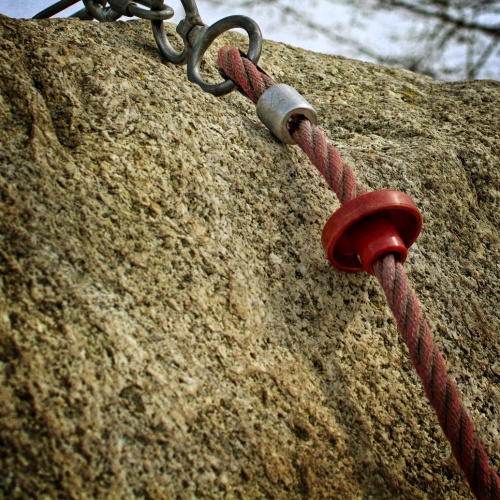
According to functional differences, climbing ropes are mainly divided into three categories: dynamic ropes, static ropes and twin ropes. Each type has fixed usage scenarios and cannot be used interchangeably. Dynamic ropes are the most common in indoor gym training and outdoor sport climbing. They have soft and elastic structures. When a climber accidentally falls, the dynamic rope can stretch moderately, effectively buffer the strong impact force, and protect the climber’s body from violent shaking and injury. It is the only safe rope for daily roped climbing and fall protection.
Static ropes are completely different from dynamic ropes. They have almost no elasticity and cannot be used for ordinary climbing protection. Their advantages are stable tension and low stretching rate, which are suitable for professional scenarios such as cliff descending, outdoor rescue and material transportation. If beginners mistakenly use static ropes for lead climbing or top-rope climbing, the rigid and non-buffering impact during a fall will easily cause damage to the waist, spine and shoulder joints.
Twin ropes are designed for complex multi-pitch outdoor climbing. They need to be used in pairs. Compared with single ropes, twin ropes are thinner and lighter, which helps reduce carrying weight during long-distance outdoor hikes. More importantly, the two ropes can provide double safety. Even if one rope is cut or damaged by sharp rock edges, the other rope can still bear the body weight and avoid falling accidents. However, twin ropes are rarely used in ordinary indoor training for beginners.
In addition to functional classification, climbing ropes have different diameter specifications, which also determine their usage. Thick ropes with a diameter of 10 mm to 10.5 mm have strong wear resistance and long service life. They are very suitable for high-frequency repeated use in indoor climbing gyms. Thinner ropes ranging from 8.8 mm to 9.5 mm are lightweight and portable, more suitable for outdoor field climbing and long-distance exploration. For student beginners, standard thick dynamic ropes are the best choice for daily practice, with higher safety and fault tolerance.
No matter what kind of climbing rope is used, daily standardized protection is the key to ensuring safety and extending service life. The first basic rule is to keep the rope clean and dry. When climbing outdoors, ropes are easy to get stained with mud, sand and rainwater. Tiny sand particles will continuously wear the internal core fibers during repeated stretching and friction. After each outdoor climbing, wipe the rope surface with a soft clean cloth to remove dust and sediment. Never use hot water or strong chemical detergents, which will corrode the rope skin and damage the internal safe structure.
The second protection rule is to avoid sharp friction and high-temperature damage. During climbing and storage, prevent the rope from rubbing against sharp rock corners, metal edges and rough ground. Long-term severe friction will cause internal fiber breakage and hidden cracks. Meanwhile, high temperature is a major killer of climbing ropes. Do not expose ropes to strong sunlight for a long time, or place them near open fire and heating equipment. High temperature will harden and age the rope skin, greatly reducing the rope’s tensile strength and impact resistance. It is best to store coiled ropes in cool, dry and ventilated places.
Third, develop the habit of full rope inspection before each climbing. Beginners should carefully check the whole rope section by section. Focus on observing whether there are damaged rope skin, scattered fluff, deep scratches and hard white marks. The white and hard parts on the rope surface mean that the internal core fibers have been severely impacted and fractured. Once abnormal conditions are found, the rope must be stopped immediately and cannot be used reluctantly. Many potential safety hazards are hidden in aging and damaged ropes that look intact on the surface.
Fourth, strictly abide by the rope service life and replace aging ropes regularly. All climbing ropes have a limited safe service cycle, which is usually 3 to 5 years for daily training use. Even if the surface looks intact, the internal fibers will gradually fatigue and lose buffering capacity after long-term stretching and repeated fall impact. In particular, ropes that have suffered heavy falls must be scrapped immediately, regardless of the number of uses and appearance, to avoid accidental breakage during subsequent climbing.
Many young climbers have a common misunderstanding: a rope can be used continuously as long as it does not break. In fact, invisible internal fiber damage is more dangerous than visible surface wear. Standard daily maintenance and regular replacement are the most effective ways to avoid rope failure. Learning to protect and check ropes is not only a professional skill, but also a necessary safety awareness for every climbing enthusiast.