
Rock Climbing: Sport for Body, Mind and Friends
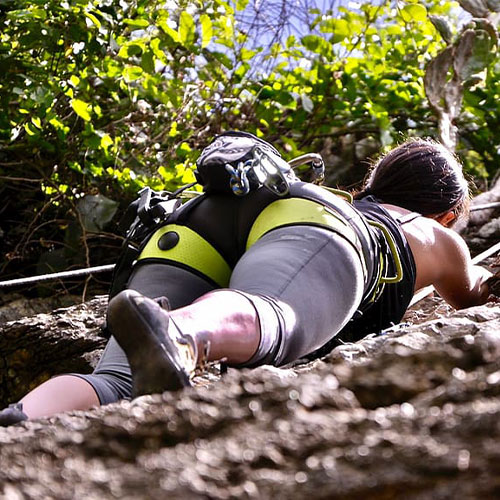
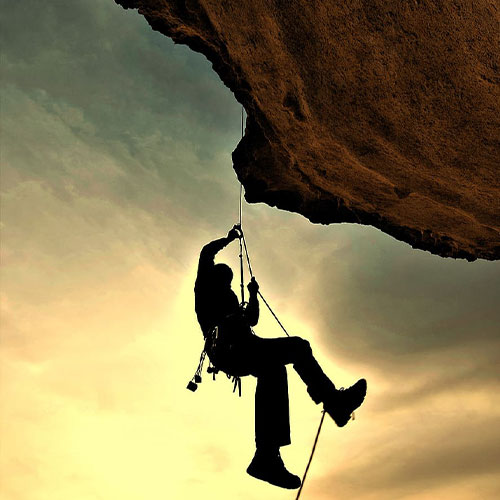
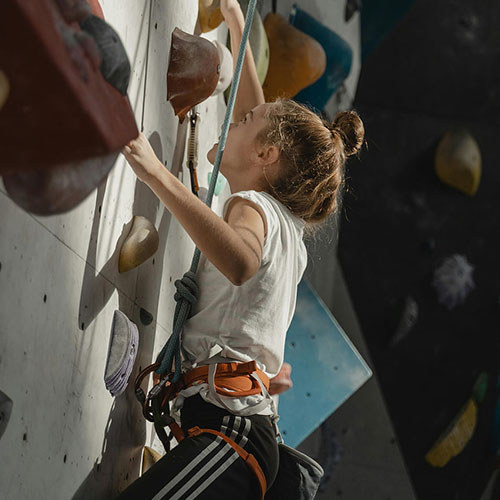
Rock climbing is an exciting, rewarding extreme sport suitable for people of all ages, ranging from beginners training on indoor artificial walls to experienced enthusiasts exploring steep natural cliffs in the wild. Far more than a simple activity to pursue thrills, it delivers comprehensive benefits to physical fitness, mental wellbeing and interpersonal relationships, making it a lifelong sport worth sticking to.
To begin with, rock climbing serves as an all-round workout that greatly improves physical condition. Every climbing movement engages the whole body: arms, shoulders, core muscles and legs work together to pull, support and stabilize the body. Regular training gradually boosts muscle strength and muscular endurance. Climbers have to coordinate hands and feet precisely to grasp tiny rock holds and adjust body positions constantly to avoid falling, which significantly enhances body balance and motor coordination. Intense climbing demands constant oxygen intake, accelerating blood circulation and gas exchange in the lungs, thus strengthening heart and lung functions and speeding up metabolism. Besides, continuous calorie consumption during climbing burns excess body fat, shaping a toned and well-proportioned figure. Long-term participation also increases bone density, lowering risks of osteoporosis and joint inflammation. By activating bones, muscles and internal organs comprehensively, climbing raises immunity and slows down the decline of physical functions as people grow older.
Secondly, rock climbing acts as an effective way to cultivate mental strength and relieve negative emotions. Modern people, especially students and office workers, are often trapped in heavy stress and anxiety. When standing in front of a steep rock wall, climbers have to block out distracting thoughts, fully concentrate on observing rock holds and mapping out climbing routes step by step, which greatly improves concentration over time. It is common to feel scared or get stuck halfway up a route. In such moments, climbers must calm down, analyze the terrain patiently and keep trying new solutions. This process polishes perseverance and stress resistance, building solid mental resilience. Reaching the top after conquering a tough route brings a powerful sense of achievement, greatly lifting self-confidence and self-recognition. All daily pressure and anxious feelings fade away during focused climbing, helping people learn to regulate their emotions in a gentle and effective way.
Thirdly, rock climbing creates valuable chances for social interaction and teamwork. Almost all climbing activities require reliable partners for safety protection. Belayers and climbers maintain constant communication, remind each other of safety details and rely fully on one another, forming deep trust through repeated cooperation. Climbers cheer each other on when tackling difficult routes, exchange practical climbing skills and share interesting climbing experiences. It is easy to meet like-minded companions who share the same passion for this sport. Group climbing challenges cultivate team spirit, polish communication skills and enrich people’s social circles, turning individual exercise into warm shared experiences.
In conclusion, rock climbing is far more than an extreme sport chasing heights. It shapes healthy bodies, toughens fragile minds and builds sincere friendships. Every upward climb pushes people to break their physical and mental limits, allowing them to discover a stronger, healthier version of themselves. If you are eager to challenge yourself and look for a meaningful long-term hobby, rock climbing is absolutely worth a shot, and it will bring countless unexpected gains and surprises in return.