
Physics in slab climbing and overhang climbing
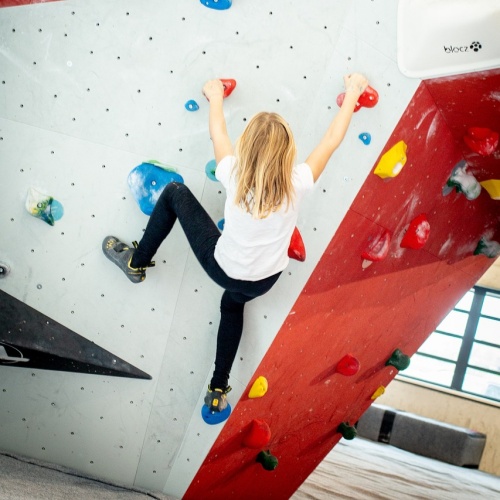
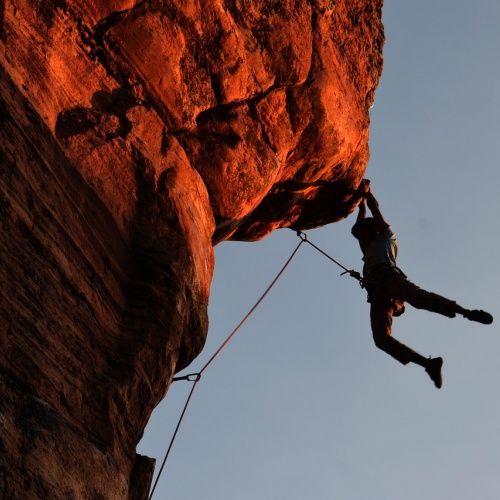
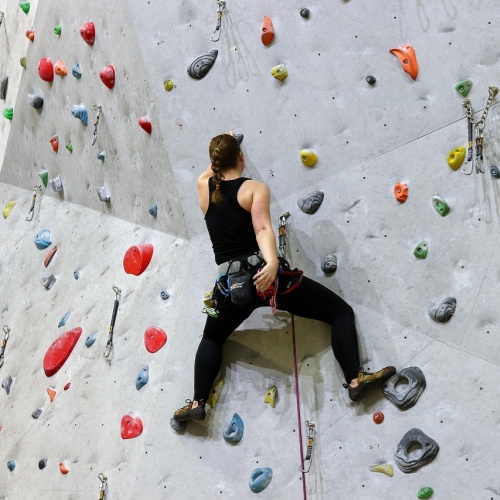
Many new climbers only practice climbing skills by feeling and experience. They do not know that different wall angles follow totally different physical rules. Slab walls are tilted outward gently with an angle less than 90 degrees, while overhang walls bulge outward with an angle larger than 90 degrees. The change of wall angle directly changes gravity, friction, torque and the way people transfer their body weight. Learning these basic physical principles helps beginners use their physical strength wisely instead of relying on blind force. This article explains easy physics knowledge behind slab climbing and overhang climbing for student climbers.
First of all, let us talk about slab climbing physics. A slab wall is a smooth inclined rock surface without obvious big holds. The most important physical factor here is friction. Friction force supports most of the climber’s weight on slab routes. According to the basic physical formula, friction equals the friction coefficient multiplied by normal force. The rubber on climbing shoes has high friction coefficient, so pressing feet firmly against the rock can produce enough friction to stop slipping.
Gravity splits into two forces on the slab wall: one force pulls the body slide down along the rock surface, the other presses the body tightly to the wall surface. The steeper the slab wall is, the larger the downward sliding force will be. For this reason, climbers must step their feet hard to increase normal force and get enough friction. Many beginners slip on slab walls because they stand lightly on footholds. Their insufficient normal force cannot create enough friction, leading to uncontrolled sliding down.
Torque control is also simple on slab climbing. Since the wall leans slightly outward, climbers can keep their whole body close to the rock naturally. The horizontal distance between the center of gravity and hands is very short, which produces small torque. In this situation, arms only need to keep balance instead of holding heavy weight. Experienced slab climbers stand upright and walk slowly on the rock just like walking on a slope, which saves lots of arm energy. Using leg bearing weight is the core physical skill for slab routes.
Different from gentle slab walls, overhang climbing faces completely opposite physical conditions. On overhang walls, the rock sticks forward, so gravity always pulls the whole body away from the wall. There is no natural pressing force between feet and rocks anymore. At this time, friction can no longer support body weight alone, and torque becomes the biggest problem that climbers need to solve.
Torque on overhang walls is very huge if people hang their bodies loosely. When the body is far away from the rock, the force arm of gravity becomes longer, and the upper limbs have to bear strong pulling torque to stick to the wall. That is why beginners feel extremely tired quickly on overhang routes even after a few moves. The most effective physical solution is pulling the hips and abdomen toward the wall to shorten the torque arm. Reducing the distance between the center of gravity and the wall can greatly cut down the load of arms and fingers.
Force transmission of the kinetic chain works differently in these two wall types. On slab walls, power mainly comes from vertical leg pushing. Leg pressure increases friction and supports body weight steadily. On overhang walls, legs produce inward pressing force toward the wall together with core contraction. The tight core fixes the torso, and leg pushing provides horizontal pressure to increase friction of feet holds. Hands and fingers offer fixed points to complete the whole force circulation.
Balance conditions also have clear differences. Slab climbing belongs to stable balance. As long as feet get enough friction support, the body will not fall down easily. Three-point support can maintain stable movement with low physical cost. However, overhang climbing is unstable balance. The body always has a tendency to swing outward. Climbers must constantly adjust body posture and tighten core muscles to offset outward swinging torque. Every small movement needs whole-body coordination to keep stable body position.
Many common climbing mistakes can be explained by physical knowledge. On slab walls, stepping softly causes slipping due to low friction; walking with bent arms brings extra torque and wastes physical strength. On overhang walls, leaning the hip backward enlarges torque sharply and makes fingers overloaded. If learners understand these physical reasons, they can correct bad movements from the root instead of repeating wrong actions for a long time.
Climbing shoe hardness also matches physical needs of two walls. Soft climbing shoes fit slab walls well. Soft soles can fit the uneven rock surface fully to raise contact area and improve friction. Medium hard or slightly downturned shoes are more suitable for overhang climbing. Harder soles can transmit leg pushing force efficiently, helping people press feet firmly on small holds to gain necessary friction force.
Physics is not boring textbook knowledge for climbing lovers. Every body movement on the wall follows fixed physical laws. Slab climbing depends on making good use of friction and reducing torque naturally. Overhang climbing relies on active core tightening and inward hip movement to offset the outward pull of gravity. Mastering these two sets of physical rules, beginners can adjust their body posture reasonably according to wall shapes, improve climbing efficiency and reduce unnecessary physical consumption.