
Crash-pad Knowledge: How to Place Pads for Safe Bouldering
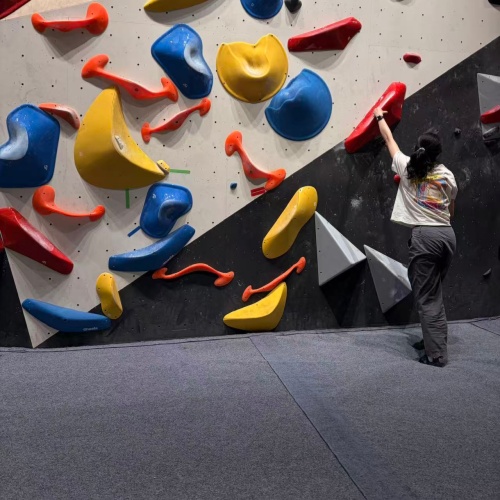
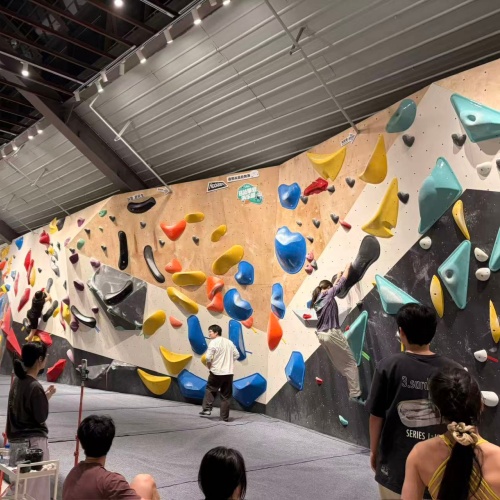
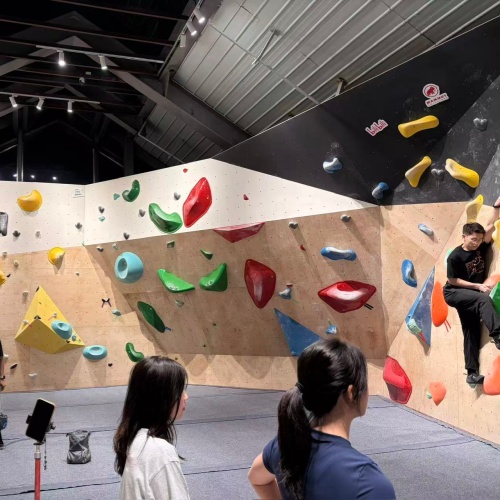
Bouldering is one of the most popular climbing sports for teenagers. It is simple, exciting and easy to learn. Unlike roped climbing, bouldering does not use ropes, harnesses or protective devices. The only safety equipment is the crash pad. Many new climbers believe that putting a pad under the wall is enough for safety. However, improper pad placement is one of the top causes of bouldering injuries. Professional coaches point out that good falling skills are important, but correct crash pad layout is the first line of defense. Learning standard pad placement knowledge can greatly reduce the risk of sprains, bruises and fractures during falling.
A crash pad is a thick cushion specially designed for rock climbing. It uses high-density foam to absorb impact force. When climbers fall from a height of 3 to 4.5 meters, the soft pad slows down the falling speed and protects joints, bones and muscles. Many beginners do not realize that bouldering falls are not straight down. When people lose balance on the wall, they may swing forward, backward or sideways. If the pad is too small, misplaced or has gaps, the climber’s feet or hips may land on the hard ground and cause serious injury.
The first core rule of pad placement is full coverage. Beginners often only place one small pad directly under the climbing route. This is very dangerous. In fact, most falls happen one meter away from the vertical projection of the route. When climbers reach for distant holds or jump dynamically, their bodies will move horizontally. Therefore, the safe area must cover not only the straight-down position but also the left, right and outer swing range. For standard indoor bouldering walls, climbers need to combine two or three pads to create a large and complete safe area.
The second important rule is no gaps between pads. Many beginners put several pads together but leave narrow cracks between them. Gaps are extremely dangerous. If a foot or knee falls into the gap during a fall, the leg will be fixed suddenly while the body continues to fall. This situation easily causes severe ankle sprains, knee twisting and joint dislocation. Before climbing, always push all pads tightly together and check the bottom area to make sure there are no hidden slits or empty spaces.
Third, adjust the pad direction according to the route type. Different bouldering routes need different pad layouts. For simple vertical routes with small movement, flat and parallel pad placement is enough. For overhanging routes, climbers often fall outward. In this case, the crash pads should be moved forward, covering the outer falling area. For dynamic routes that require big jumps and long reaches, climbers need to expand the pad coverage range outward to deal with large horizontal swings.
Fourth, fix the pad edge to prevent sliding. Crash pads are usually smooth on the bottom. When climbers step or roll on the pad, it may slide away. If the pad moves during falling, the landing area will suddenly disappear and cause hard impact. Beginners can place heavier objects on the four corners or use overlapping methods to fix the pads. Keeping the entire cushion area stable is very important for safe landing.
There are also several forbidden placement mistakes that beginners must avoid. Do not place pads against the wall with raised edges. Raised pad corners may trip climbers or cause wrong foot landing angles. Do not stack pads too high. Too thick stacked cushions will make the ground too soft and unstable, easily causing ankle twisting. Do not leave hard objects such as stones, dust bags and water bottles under or on the pads. All foreign objects must be cleaned before climbing.
Indoor and outdoor bouldering has different pad standards. Indoor gym floors are flat and hard, so flat layered placement is suitable. Outdoor bouldering sites are often uneven, rocky or sloped. Climbers need to fill small pits with thin auxiliary pads and level the main crash pad. Never place a single pad directly on a slope, because it will slide and cause danger during falling.
Many new climbers think that good technique can replace pad protection. This idea is wrong. According to climbing safety statistics, more than 60 percent of bouldering injuries happen to climbers who know basic falling skills. Human bodies cannot always control falling directions perfectly. A sudden slip or unexpected swing will change the landing position. In this situation, the crash pad is the final safety guarantee.
Professional climbing coaches suggest that beginners should learn pad placement before learning difficult moves. Every time before starting bouldering, students should take one minute to check coverage, gaps, flatness and stability. Forming good pad-setting habits is the most basic and effective way to protect themselves. With correct crash pad knowledge and standard falling posture, young climbers can enjoy bouldering safely and avoid unnecessary sports injuries.