
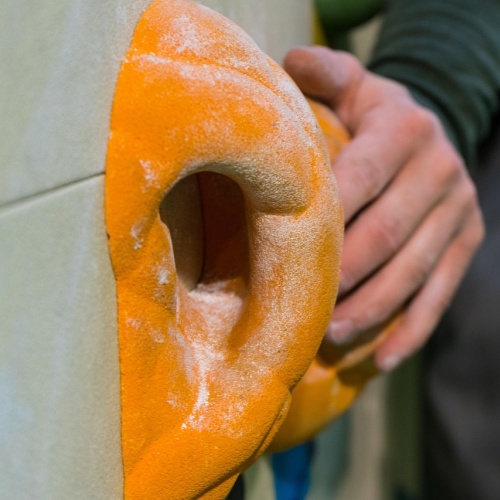
The most common finger injury for beginners is finger tendon strain. Climbing requires repeated gripping, pinching and pulling movements. When climbers hold small rock holds or support their body weight with fingers, the finger tendons will bear huge tension. If the muscles and tendons are stiff without warm-up, sudden strong force will cause slight tendon tearing and inflammation. Typical symptoms include finger soreness, swelling and dull pain when gripping holds. Many students think it is just simple muscle fatigue and continue training, which will turn acute strain into long-term chronic pain.
The second frequent injury is pulley ligament damage. Each finger has pulley ligaments that fix tendons and ensure flexible finger bending. In climbing, open-hand grip, crimp grip and dynamic jumping will bring strong pressure to finger pulleys. Long-term high-intensity training or improper force posture may lead to pulley ligament relaxation or partial tearing. Mild cases feel pain when bending fingers, while severe cases will cause finger weakness and unstable gripping force, which seriously affects daily training.
In addition, climbers often suffer from joint stiffness and tenosynovitis. Fingers keep tightening and gripping for a long time during climbing training. The continuous friction between tendons and synovial sheath will cause inflammation. Especially for students who train intensively on weekends without daily relaxation, their finger joints will become stiff, swollen and painful the next day. If not relieved in time, repeated inflammation will affect finger flexibility and even cause irreversible joint damage.
Improper training habits are the main cause of finger injuries. First, most beginners skip warm-up and start intense gripping directly. Cold tendons and joints cannot adapt to sudden high-intensity force. Second, learners pursue difficult crimp moves blindly. Small-hold crimping puts the greatest pressure on finger pulleys and tendons, which is the easiest way to cause strain. Third, excessive training without rest makes fingers fail to recover. Muscle and tendon repair needs rest time. Over-training will accumulate fatigue and damage.
To protect finger health, climbers need to master standardized daily protection methods. First of all, complete finger warm-up before every climbing session. Beginners can open and close their fingers repeatedly, stretch palm muscles, and gently bend each finger joint to activate blood circulation. Simple warm-up for 3 to 5 minutes can greatly reduce the risk of tendon strain and joint injury.
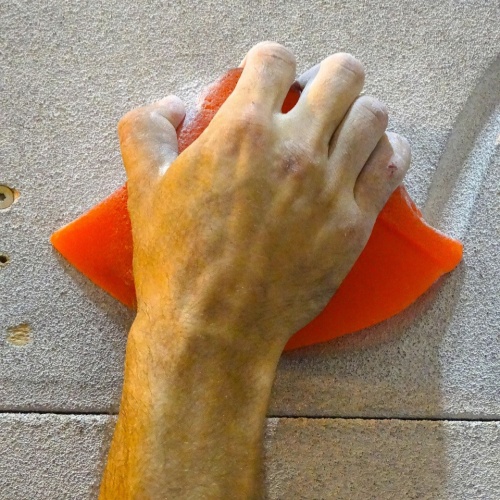
Second, correct gripping posture and avoid dangerous force methods. New climbers should try to use open-hand grip as much as possible. This posture disperses pressure on the whole finger and palm, which is safe and friendly to finger tendons and ligaments. Do not practice sharp crimp gripping frequently in the early learning stage. Avoid single-finger force and super-intensive small-hold training, which effectively protects pulley ligaments from excessive pressure.
Third, arrange training time reasonably and adhere to intermittent rest. Finger tendons and ligaments are delicate and slow to recover. Students should avoid long-time continuous climbing. It is necessary to take a 3 to 5 minutes rest every 20 minutes. Do not train with pain. Once fingers feel sore, stiff or weak, stop training immediately. For adolescent fingers in the growth stage, scientific rest is more important than blind intensive practice.
Fourth, insist on professional stretching and relaxation after climbing. After training, most people only relax their arms and ignore their fingers. Simple finger relaxation includes stretching fingers backward, massaging each joint and pinching palm muscles. These movements can release tendon tension, accelerate lactic acid metabolism and relieve joint stiffness. Long-term adherence can effectively prevent chronic tenosynovitis and finger deformation.
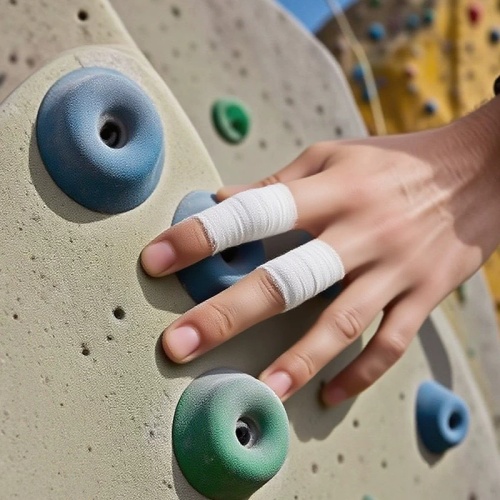
Fifth, use auxiliary protection tools properly. For students who train regularly, finger tapes are practical protective equipment. Correctly taping fingers can stabilize joints, reduce ligament stretching and relieve pressure during gripping. It is also necessary to avoid climbing on overly sharp and rough holds, which may cause skin abrasions and local tendon pressure damage.
Professional coaches remind young climbers that finger injury is the biggest obstacle to long-term climbing progress. Physical strength and skills can be improved through continuous practice, but finger tendon and ligament damage are difficult to recover. Teenagers are in a critical period of physical development. Protecting finger health is the premise of sustainable climbing training.
In short, most climbing finger injuries are caused by insufficient warm-up, incorrect posture and excessive training. Mastering scientific protection methods, forming good training habits, and balancing practice and rest can help student climbers stay away from finger injuries, keep their hands flexible and powerful, and make steady progress in climbing sports.