
Guide for New Bouldering Lovers
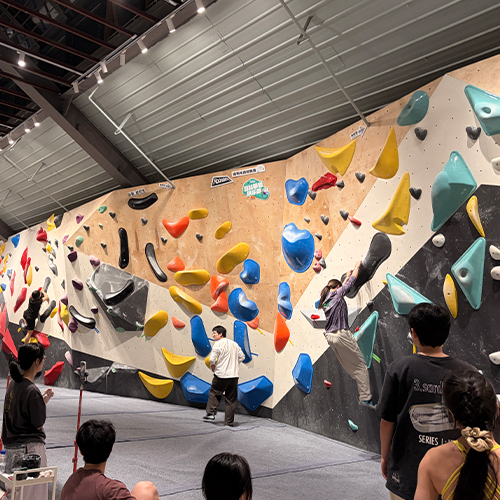
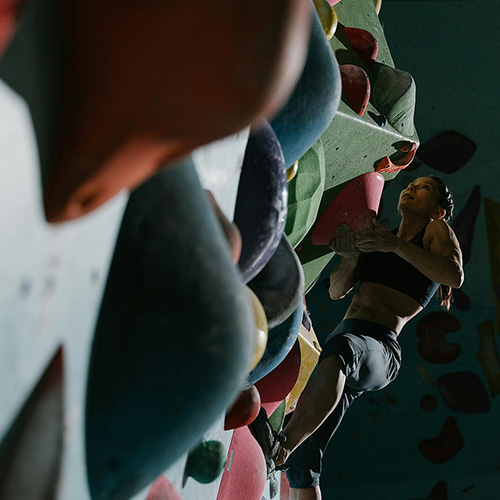
Bouldering is the easiest way to start climbing. You do not need ropes, safety belts or other heavy tools. People climb walls lower than 4 meters. Thick soft mats lie under the wall to keep you safe. You can practice alone anytime. This sport helps you get strong, keep balance and stay focused. Good skills matter more than big muscles, so everyone can join it.
Basic Knowledge for Newbies
There are big differences between bouldering and rope climbing.
Bouldering only needs climbing shoes and chalk. Rope climbing uses ropes, harness, helmets, etc. Bouldering walls are lower than 4 meters with soft mats.
Whereas rope climbing walls are tens of meters high with ropes. Bouldering uses V grades from V0 to V16. New climbers start with V0 and V1, which have big easy holds. V2 has smaller holds, and V3+ is hard with sloped walls—new people should not try them at first.
Many beginners have wrong ideas. They think strong people climb best, but 70% of climbing success comes from good foot moves and body balance. Tight shoes help you control small holds. Planning moves before climbing saves energy. If you fall, do not put hands on the mat first, or your wrists may hurt.
Cheap and Simple Gear
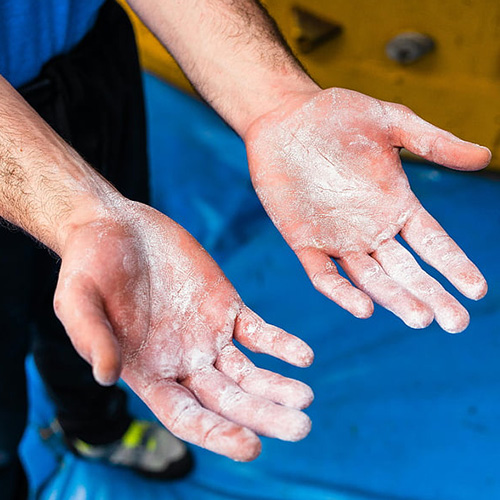
You can rent all necessary things in climbing gyms. First, climbing shoes must fit your feet well. Second, chalk keeps your hands dry and less slippery. Third, wear stretchy tight sport clothes; loose coats stop you from moving freely. You do not need finger tape, knee pads or nail files for your first five trips to the gym.
Steps for Your First Gym Visit.
Never skip warm-up for 5 to 10 minutes. Jog a little, move your wrists, shoulders and hips, stretch fingers and hang on big holds lightly. Stand far away to watch the wall, find start holds and end holds, and plan your moves before climbing. Each route uses one color of holds. You finish a route when you hold the top hold with two hands for 3 seconds. Good habits: push up with legs and keep arms straight, put hips close to the wall and put most weight on your feet.
Key Skills, Safety and Rules. Three easy skills: stand on holds only with shoe toes, keep arms straight to save strength, and stay close to the wall. When falling, sit on the mat first then roll slowly. Keep the mat area clear of bags and bottles. Do not climb on the same route with others at the same time. Do not give others advice when they are climbing.
One-Month Training Plan
Sessions 1-4: only climb V0, train basic postures within 1.5 hours each time. Sessions 5-8: try V0 and V1, learn to plan moves by yourself. Sessions 9-12: easy V2 only, do not try hard sloped walls. Climb twice a week and rest 1-2 days between two practices to avoid hurt.
Closing Words
You do not need talent, expensive gear or great strength to try bouldering. Just go to a gym, rent shoes and try a V0 route. The fun of bouldering is not beating the wall. It makes you more careful, in control and patient. Remember three rules: skills > strength, safety > hard grades, slow steady practice > quick hard training. Warm up well and start your first climb today.