
Bouldering Falling Skills: Master Safe Falling to Avoid Common Injuries
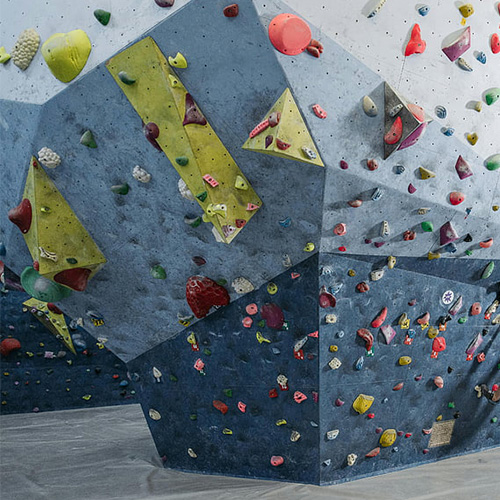
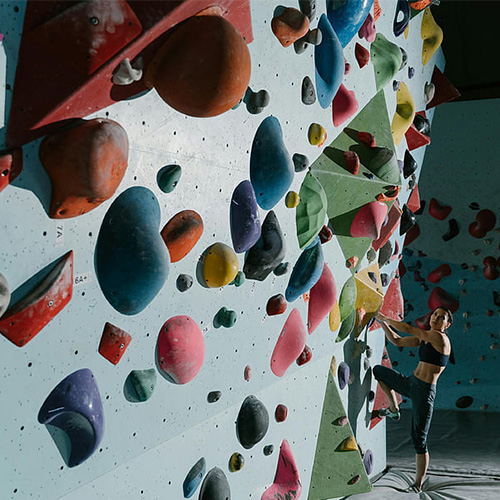

Bouldering is one of the most popular indoor climbing sports. It needs no ropes or professional protection devices, so it is easy for beginners to start. However, simple equipment does not mean zero risk. Most climbing injuries happen during bouldering falls. The general height of bouldering walls is between 3 and 4.5 meters. A free fall from this height creates strong impact force on the human body. If climbers do not master correct falling skills, they may face sprains, fractures and long-term joint damage. Therefore, learning safe falling is the first and most important lesson for every bouldering learner.
Many new climbers spend all their time practicing hand grips and foot moves. They ignore falling training and think falling is just an accident. In fact, falling is an unavoidable part of bouldering. Professional climbers regard falling skills as the core safety ability. Correct falling postures can disperse huge impact force and greatly reduce injury risks. Without standard falling habits, even simple practice may lead to serious sports injuries.
There are complete and scientific falling steps for bouldering. The first key step is falling prediction and body adjustment. When you feel your arms lose strength or your body cannot stay on the wall, do not hold the rock tightly out of fear. Instead, gently push your body away from the wall. This small action can prevent your body from rubbing against rough rock holds. It also stops your feet or ankles from getting stuck on rock points, which usually causes serious sprains.
The second core rule is double-feet landing. Never land on one foot. Keep your two feet parallel and land at the same time. Follow the strict landing order: toes first, then full soles, and finally heels touch the crash pad. Meanwhile, bend your knees naturally. Straight legs will transfer all the impact to knees, ankles and spines, which is extremely dangerous. Slightly bent knees act like car buffers to absorb most of the falling power.
The third essential skill is rolling to release pressure. After landing, do not try to stand straight at once. Let your body roll backward or sideward smoothly. This movement spreads the impact force from single joints to the whole back, hip and muscle groups. It greatly lowers local pressure. The most dangerous mistake here is putting your hands on the ground to support your body. Wrist fracture is the most common bouldering injury. Human wrists cannot bear huge falling impact, and emergency support will easily cause tendon damage or bone cracks.
The last protective detail is tucking the chin. During the rolling process, keep your chin close to your chest. This simple action effectively protects your head and cervical spine from hitting the ground or the wall. Many beginners get head injuries just because they look up in panic when falling. Stable head posture is an important part of safe falling.
In daily training, climbers must stay away from four typical wrong falling habits. First, single-foot landing, which easily causes ankle sprains and uneven body force. Second, straight-leg hard landing, which directly hurts knees and lumbar spine. Third, hand-support landing, the main cause of wrist injuries. Fourth, holding rock holds until the last second. This wrong behavior changes body balance, leads to irregular falling gestures, and may tear finger tendons.
For beginners, systematic falling training is necessary. Do not practice falling at high heights at first. Start from a low height of 1.5 meters with standard crash pads. Repeat standard falling and rolling movements many times until safe gestures become muscle memory. Many professional climbing gyms take falling training as the first compulsory course. Coaches can correct wrong postures in time and help learners build safe climbing habits.